Invasive species are non-native plants and animals that have been introduced to the region and are able to spread quickly, often at the expense of native wildlife. In coastal environments like Barnstable Harbor, invasive species can alter habitats, compete with local species for food and space, and disrupt the natural balance that has developed over thousands of years. Because the harbor includes salt marshes, tidal flats, beaches, and open water, it is especially vulnerable to the introduction and spread of new species.
Many invasive species arrive unintentionally through shipping, boating, aquaculture, landscaping, or the release of plants and animals from other regions. Once established, they can be difficult to remove because they often have few natural predators in their new environment. Even small changes can have long-term effects, such as reducing shellfish habitat, crowding out native marsh plants, or changing the structure of the shoreline.
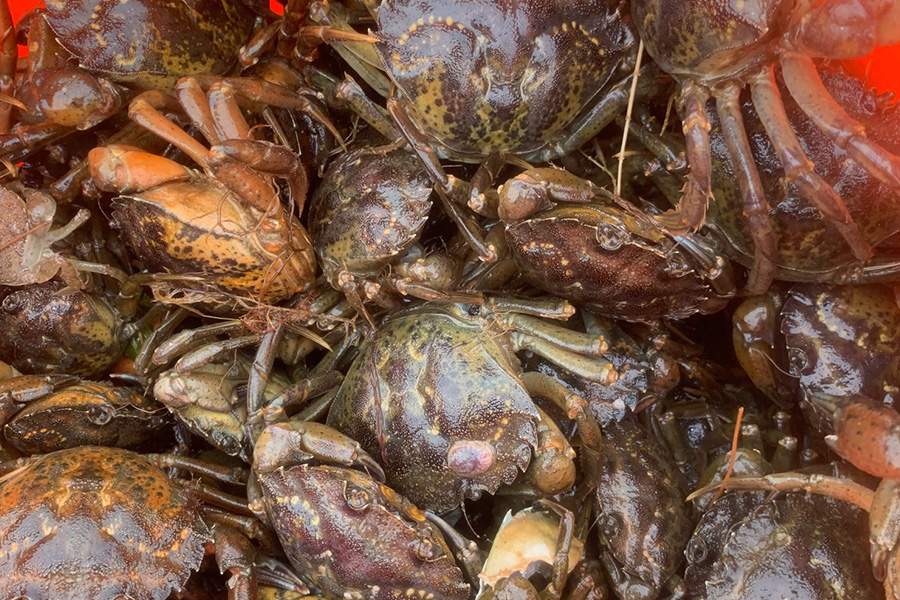
Barnstable Harbor has seen the effects of several well-known invasive species that are now common throughout Cape Cod. Some, like the European green crab, directly affect shellfish populations by feeding on young clams and oysters. Others, such as invasive marsh plants, can change how tidal water moves through the marsh, which in turn affects fish, birds, and water quality. Monitoring and managing these species is an ongoing effort involving the Town of Barnstable, local conservation groups, and state agencies.
Preventing the spread of invasive species is often more effective than trying to remove them after they become established. Boaters can help by cleaning hulls and gear, gardeners can choose native plants instead of imported species, and visitors can avoid moving plants or animals from one area to another. Public awareness is an important part of protecting the harbor’s natural balance.
Invasive species found in and around Barnstable Harbor include:
- European Green Crab — Carcinus maenas
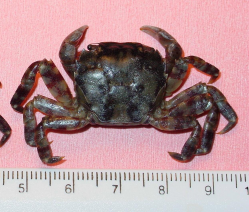
- Asian Shore Crab — Hemigrapsus sanguineus
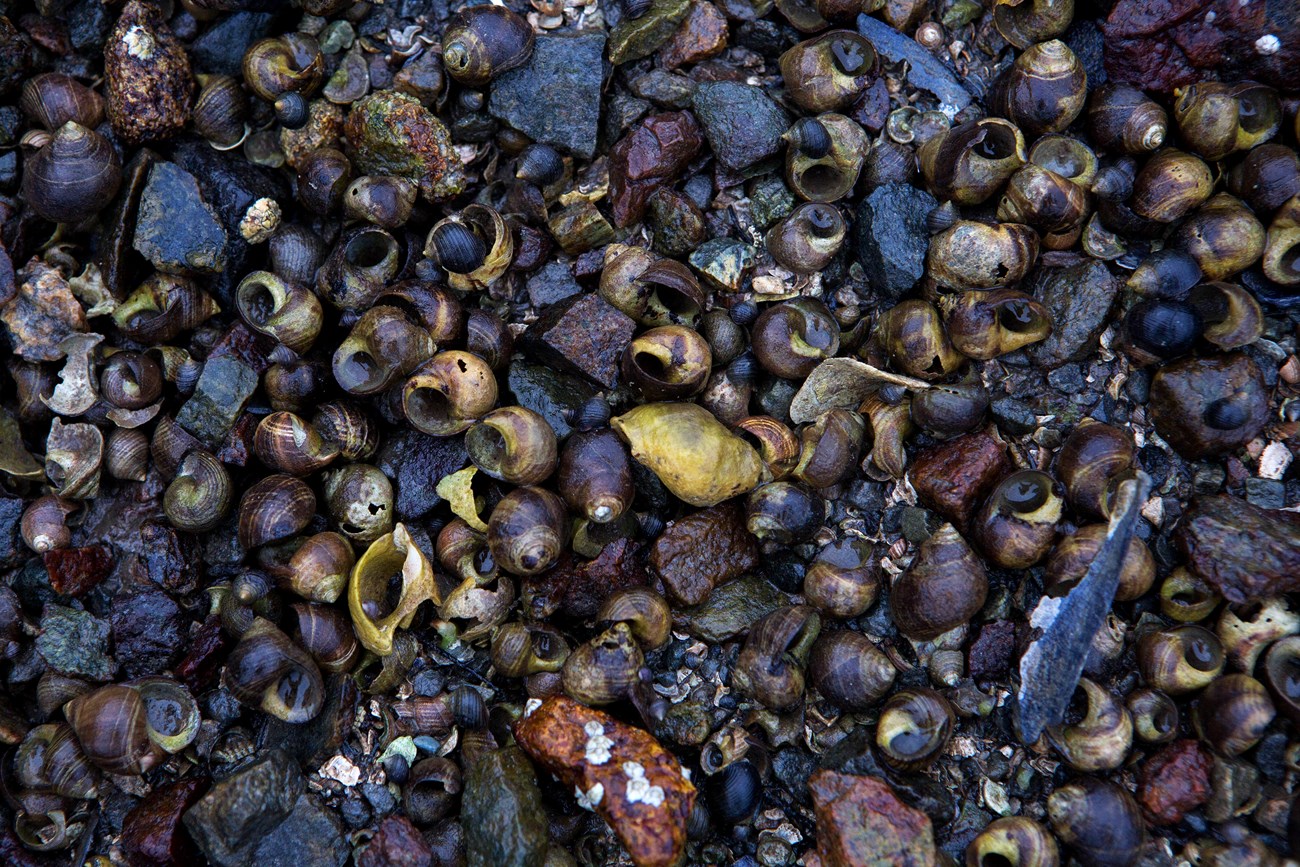
- Common Periwinkle — Littorina littorea (introduced but long established)
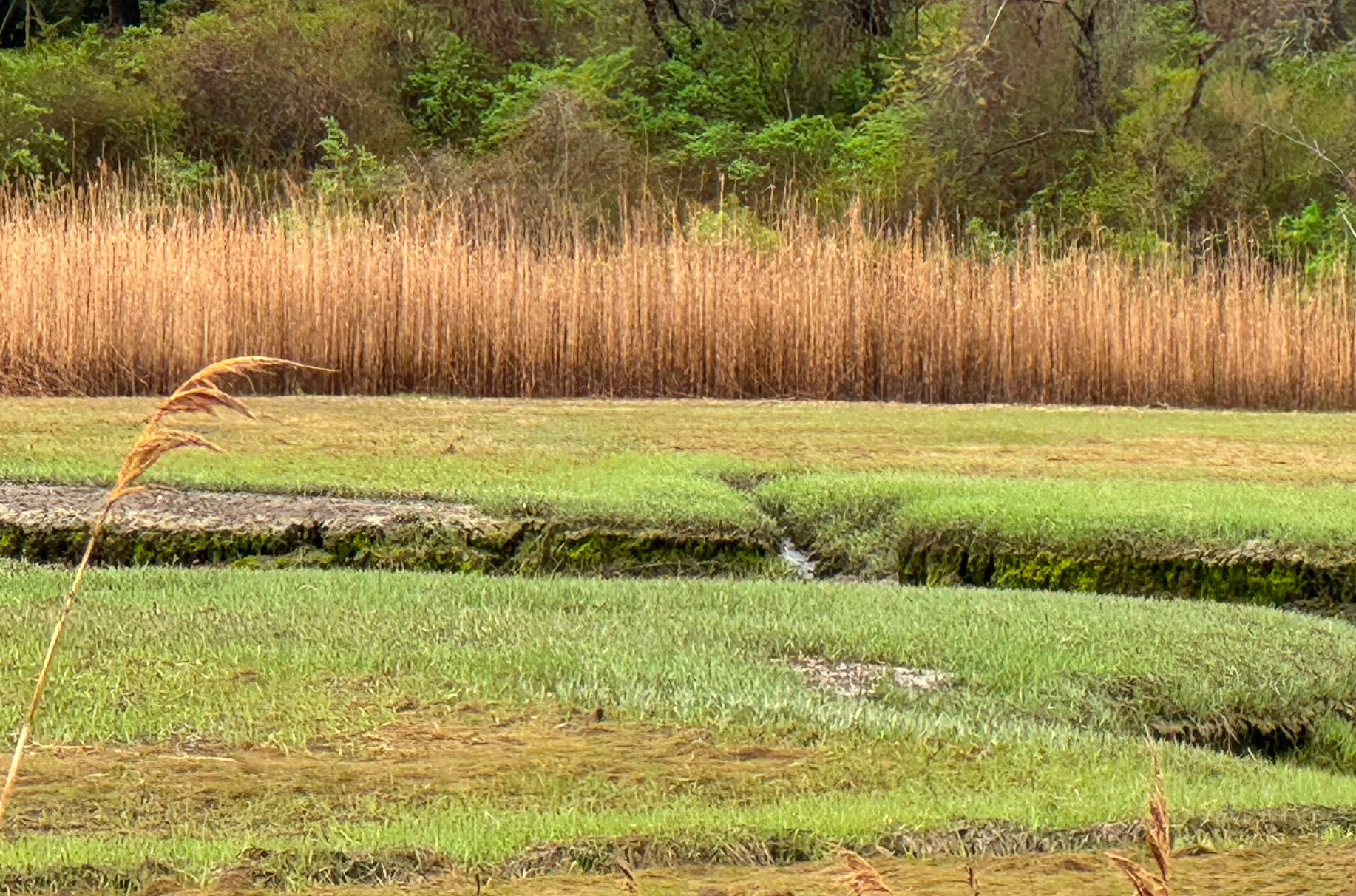
- Phragmites / Common Reed — Phragmites australis (non-native strain)
- Japanese Knotweed — Reynoutria japonica
- Purple Loosestrife — Lythrum salicaria
- Codium (Green Fleece Algae) — Codium fragile
- Didemnum / Sea Squirt — Didemnum vexillum
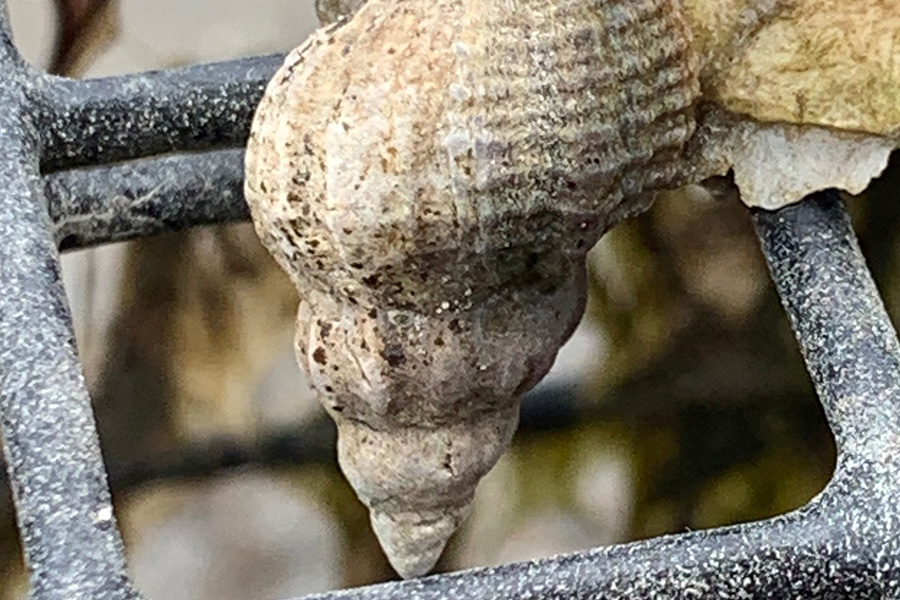
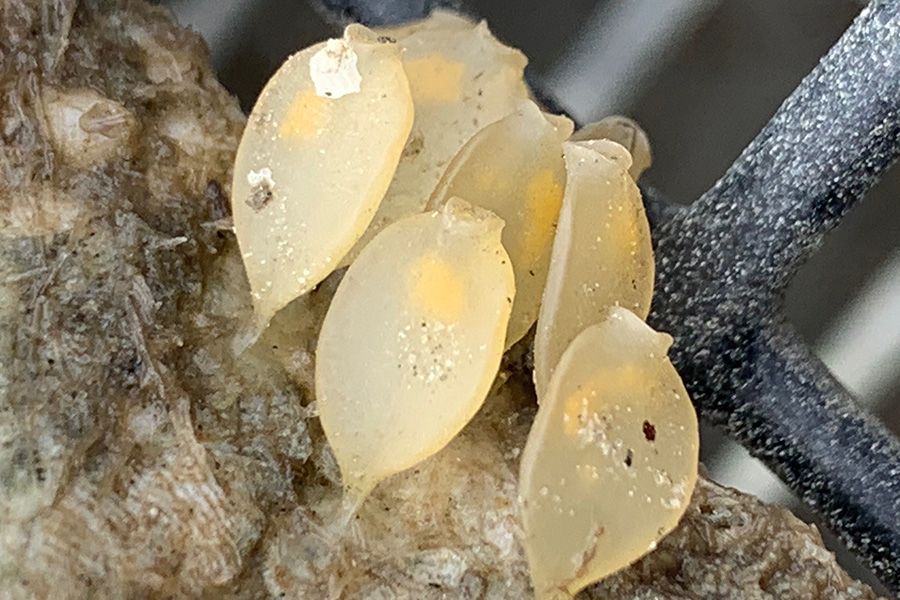
- European Oyster Drill — Urosalpinx cinerea
- Tunicates (various species including Botrylloides violaceus)
Changes in water temperature, increased boat traffic, and coastal development can make it easier for invasive species to spread, which is why continued monitoring is important. Protecting native habitats, maintaining good water quality, and using responsible boating and landscaping practices all help limit their impact. By working together, the community can help ensure that Barnstable Harbor remains a healthy and diverse coastal ecosystem.