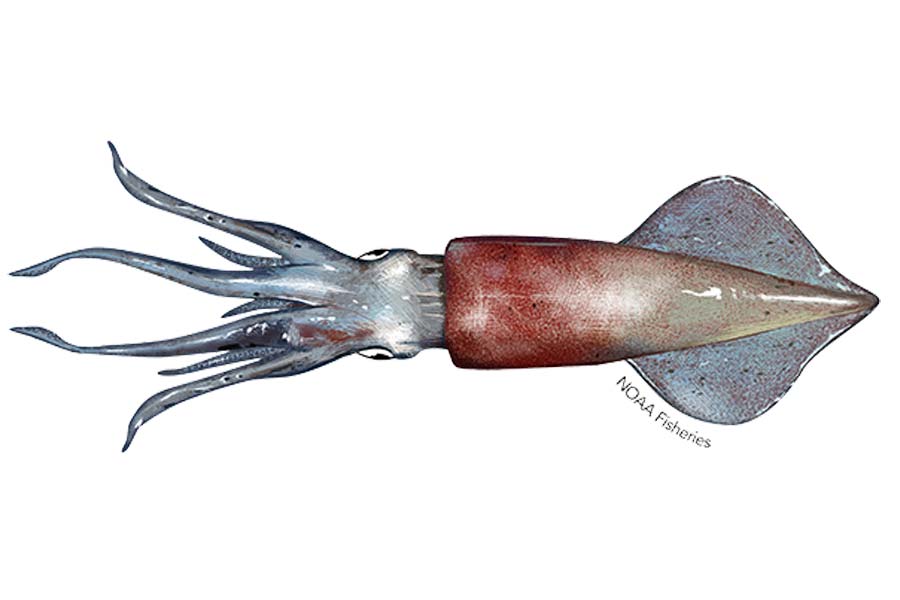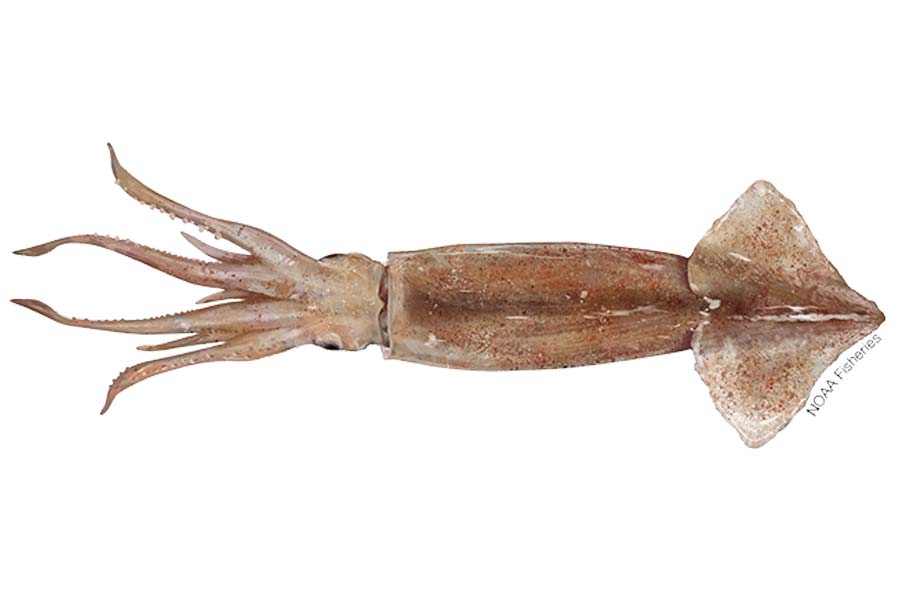
Cephalopods are a group of highly developed marine animals that include squid, octopus, and cuttlefish. Known for their intelligence, speed, and ability to change color, these animals are among the most fascinating creatures found in the waters of Cape Cod Bay and occasionally within Barnstable Harbor itself. While they are not always visible from shore, cephalopods are an important part of the harbor’s marine ecosystem and are closely tied to the health of the surrounding coastal waters.
Barnstable Harbor sits within the larger Cape Cod Bay system, which supports several species of squid and other cephalopods that migrate through the region seasonally. These animals are most commonly found in deeper water outside the harbor, but they may enter the harbor channel and nearby areas while feeding, especially during warmer months. Because cephalopods grow quickly and have short lifespans, their populations can change from year to year depending on water temperature, food supply, and ocean conditions.
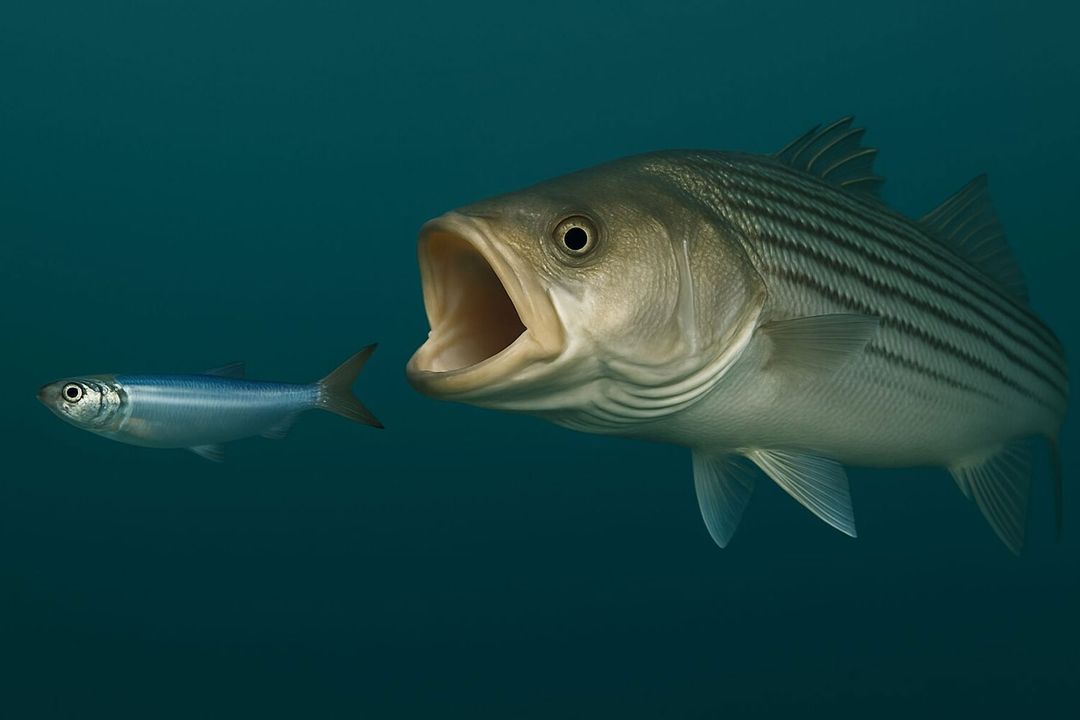
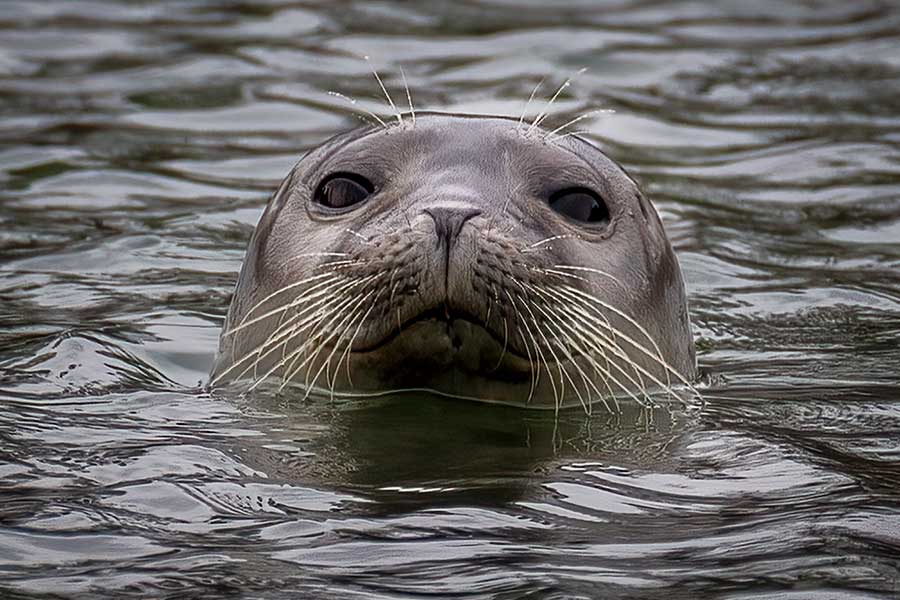
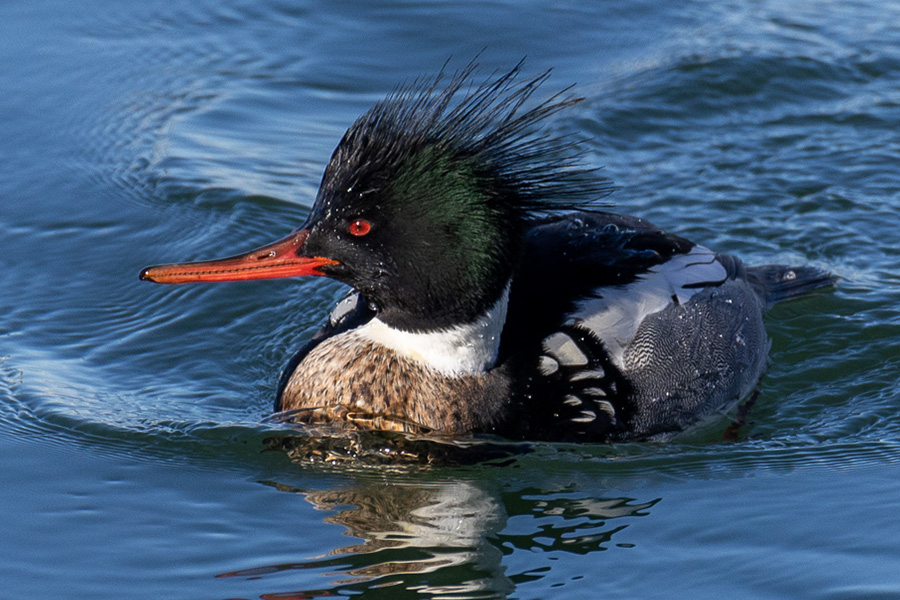
Cephalopods play a key role in the marine food web. They feed on small fish, crustaceans, and other invertebrates, while also serving as prey for striped bass, bluefish, seabirds, seals, and larger offshore fish. Their presence is often a sign of productive waters, since they require healthy populations of smaller organisms to survive. For fishermen, the arrival of squid in Cape Cod Bay often signals the start of an active fishing season.
Although many people associate cephalopods with offshore waters, several species are known to occur in Cape Cod Bay and the waters surrounding Barnstable Harbor. These include both inshore squid species and larger offshore species that occasionally move closer to shore.
Cephalopods recorded in Cape Cod Bay / Barnstable Harbor region include:
- Longfin Inshore Squid — Doryteuthis pealeii
- Shortfin Squid — Illex illecebrosus
- Atlantic Brief Squid — Lolliguncula brevis
- Common Atlantic Octopus — Octopus vulgaris (rare but possible)
- Atlantic Pygmy Octopus — Octopus joubini (rare)
- Northern Shortfin Squid (alternate name for Illex illecebrosus)
- European Cuttlefish — Sepia officinalis (not native, occasionally reported in warmer years but uncommon)
Because cephalopods are sensitive to changes in water temperature and ocean conditions, scientists often monitor their numbers as an indicator of broader environmental trends in the Gulf of Maine and Cape Cod Bay. Warmer waters in recent years have led to changes in migration patterns, with some species appearing more frequently than in the past. Continued observation of these animals helps researchers understand how climate change and shifting ocean conditions may affect the future of Barnstable Harbor and the surrounding marine environment.