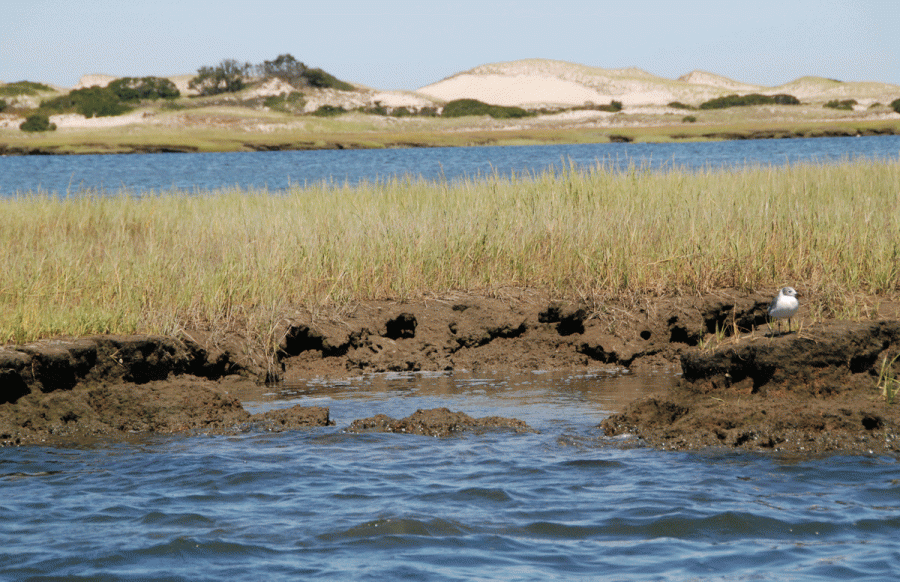
Excess nitrogen entering the harbor disrupts natural nutrient cycles and fuels harmful algal growth. These blooms reduce oxygen levels and block sunlight, damaging eelgrass and other critical habitats. Over time, continued nitrogen loading can lead to widespread ecosystem decline and loss of biodiversity.
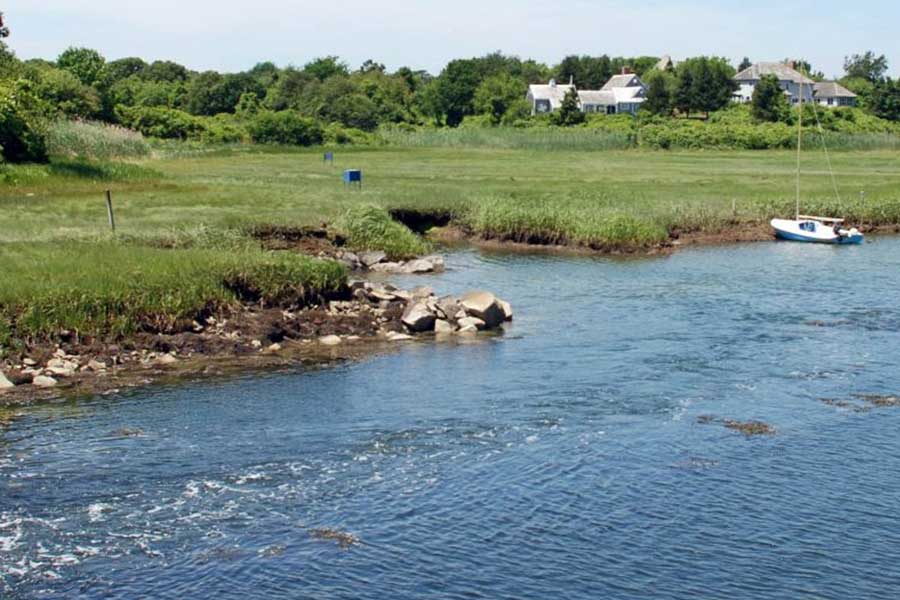
Excess nitrogen from septic systems, fertilizers, and stormwater runoff is a major threat to the harbor. Elevated nitrogen levels fuel harmful algal blooms that reduce water clarity and deplete oxygen levels. This can result in fish kills, loss of eelgrass habitat, and overall ecosystem imbalance. Over time, continued nitrogen loading can severely diminish the harbor’s biodiversity and long-term ecological stability.
Reducing nitrogen inputs requires a combination of improved wastewater management and responsible land use practices. Upgrading septic systems, limiting fertilizer use, and managing stormwater can significantly decrease nutrient pollution. Restoration of eelgrass beds and wetlands also helps absorb excess nitrogen naturally. Together, these efforts work to restore ecological balance and protect the harbor’s long-term health.
Access research, surveys, and environmental studies that inform decisions about the harbor’s management and long-term sustainability.